The ksar takes two hours. The region around it takes three days — and it is the region that most visitors regret rushing. These are the seven places we would build an itinerary around, each with its own guide covering what to do, how to get there and which tours cover it.
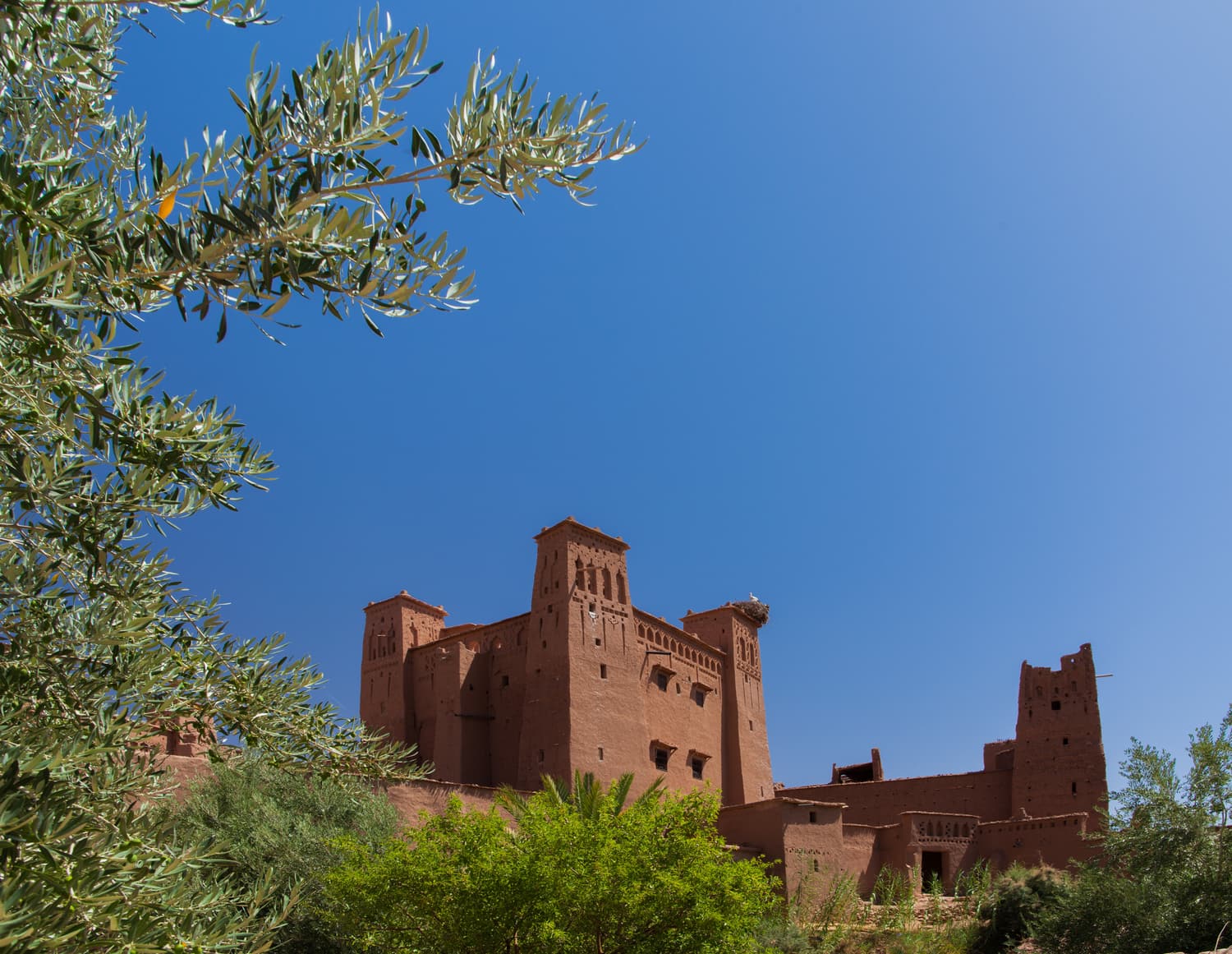
Things to See in & Around Aït Benhaddou
Seven places that turn a photo stop into a proper journey through southern Morocco.
The ksar & village
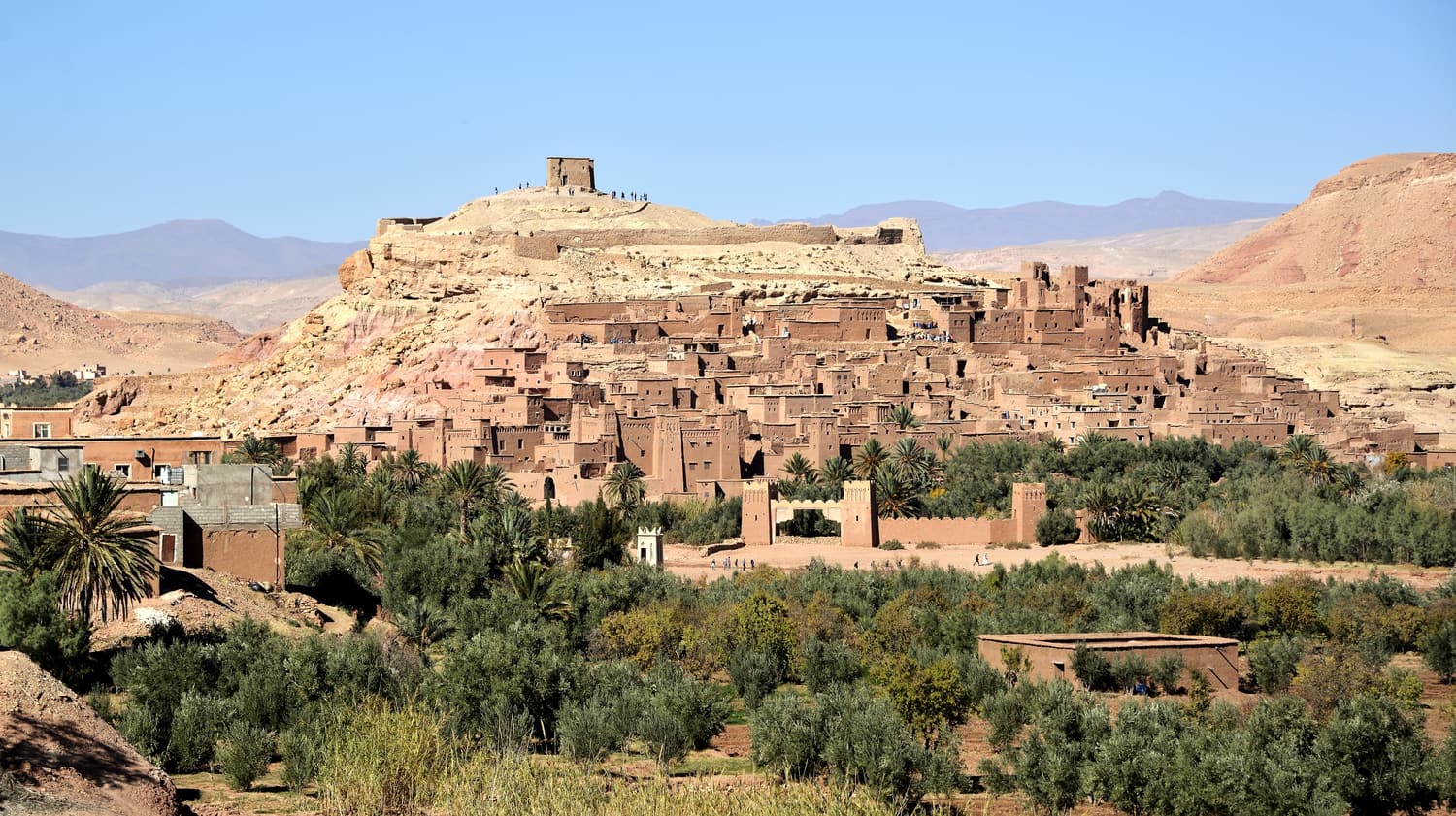 The ksar & village
 Ksar of Aït Benhaddou
Morocco’s great earthen citadel
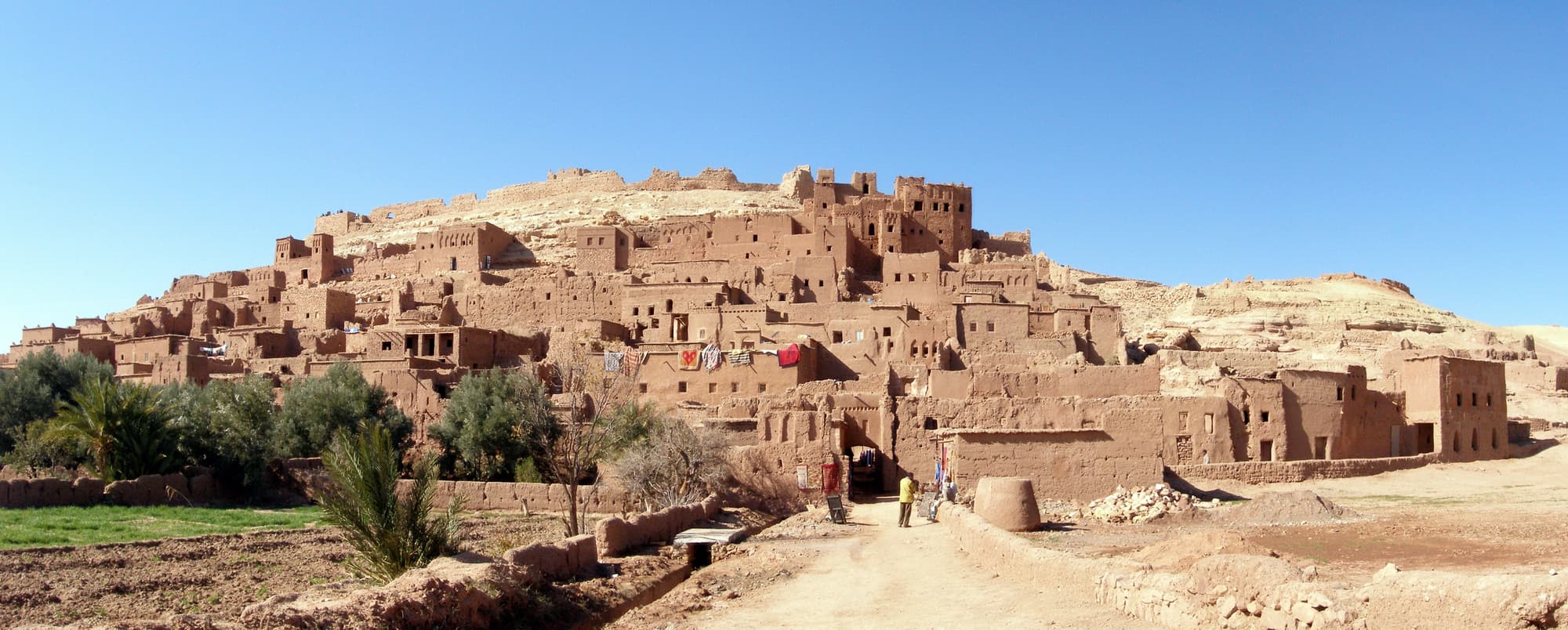
A fortified village of rammed earth stacked up a hillside above the Ounila river, listed by UNESCO in 1987 and the most recognisable image of southern Morocco. Cross the river, climb through the lanes and finish at the ruined granary crowning the hill.
Atlas & Ounila valley
Atlas & Ounila valley Ounila Valley
The old caravan road north
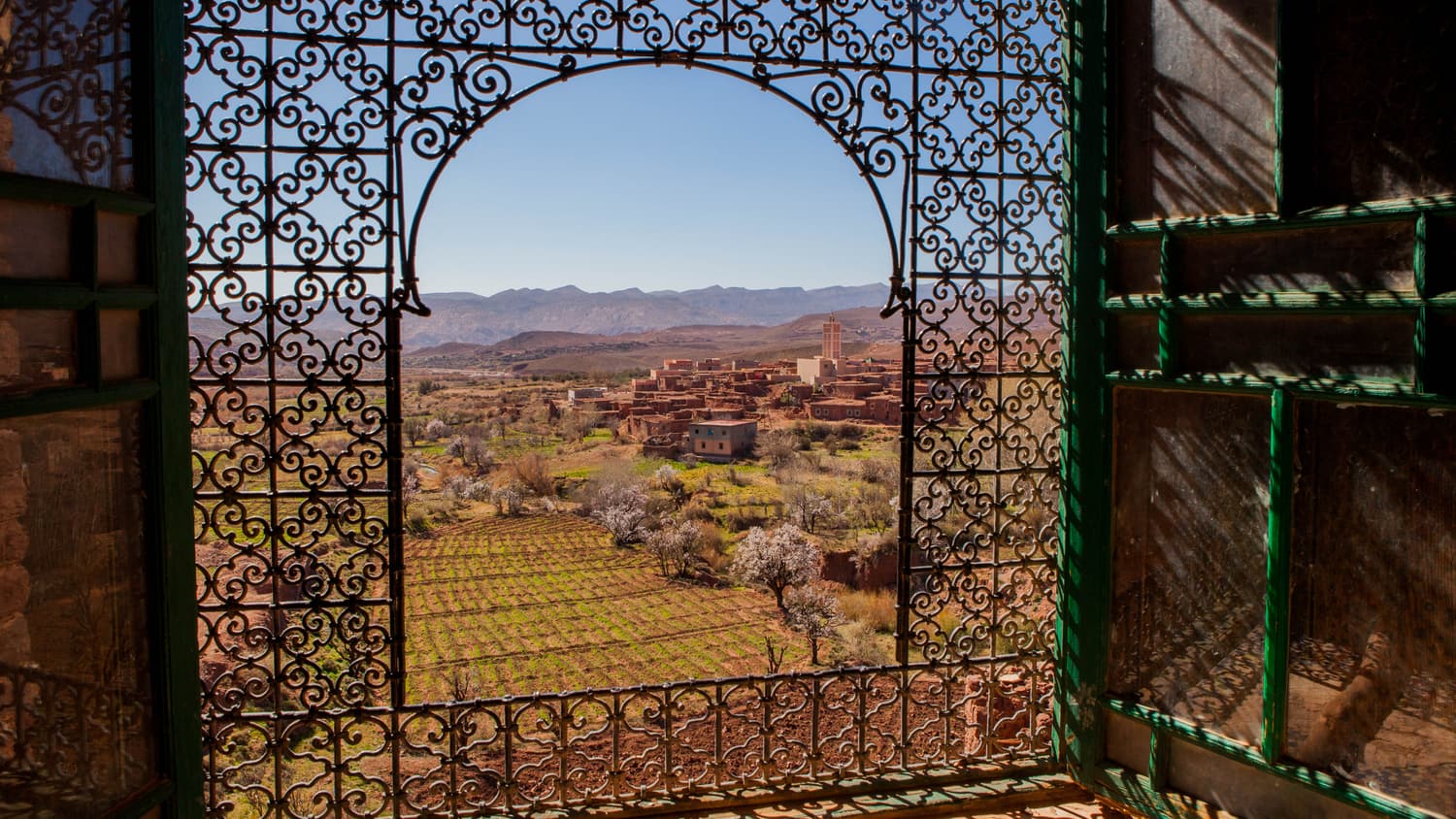
Before the modern highway, every camel train from Marrakech came down this narrow red valley. The back road from Aït Benhaddou to Telouet threads past troglodyte villages, terraced almond gardens and half a dozen forgotten kasbahs in 40 slow kilometres.
 Atlas & Ounila valley
 Telouet Kasbah
The Glaoui palace in ruins
The mountain seat of the Glaoui, the pasha family who ruled southern Morocco until 1956. From outside it is a crumbling mud fortress; inside, two restored salons of carved cedar, painted plaster and zellij tile explain exactly how much power passed through here.
 Atlas & Ounila valley
 Tizi n’Tichka Pass
The road over the High Atlas
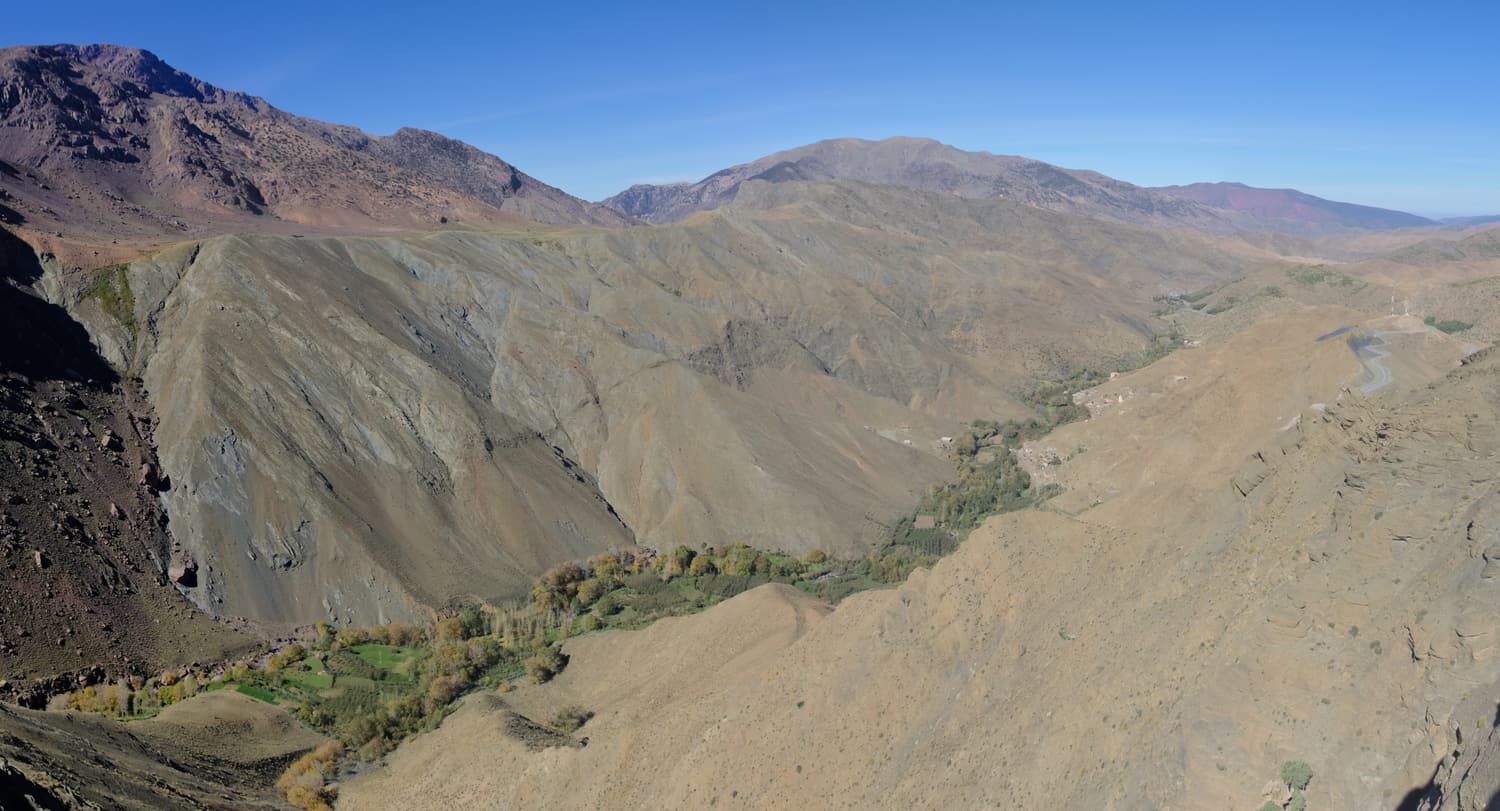
The 2,260 m pass that carries the N9 from Marrakech to the south — a three-hour climb of switchbacks, mineral stalls and Berber villages that ends with the whole pre-Sahara opening up below you. It is the drive that makes the day trip worth taking.
Ouarzazate & the oases
 Ouarzazate & the oases
 Atlas Film Studios
Hollywood in the desert
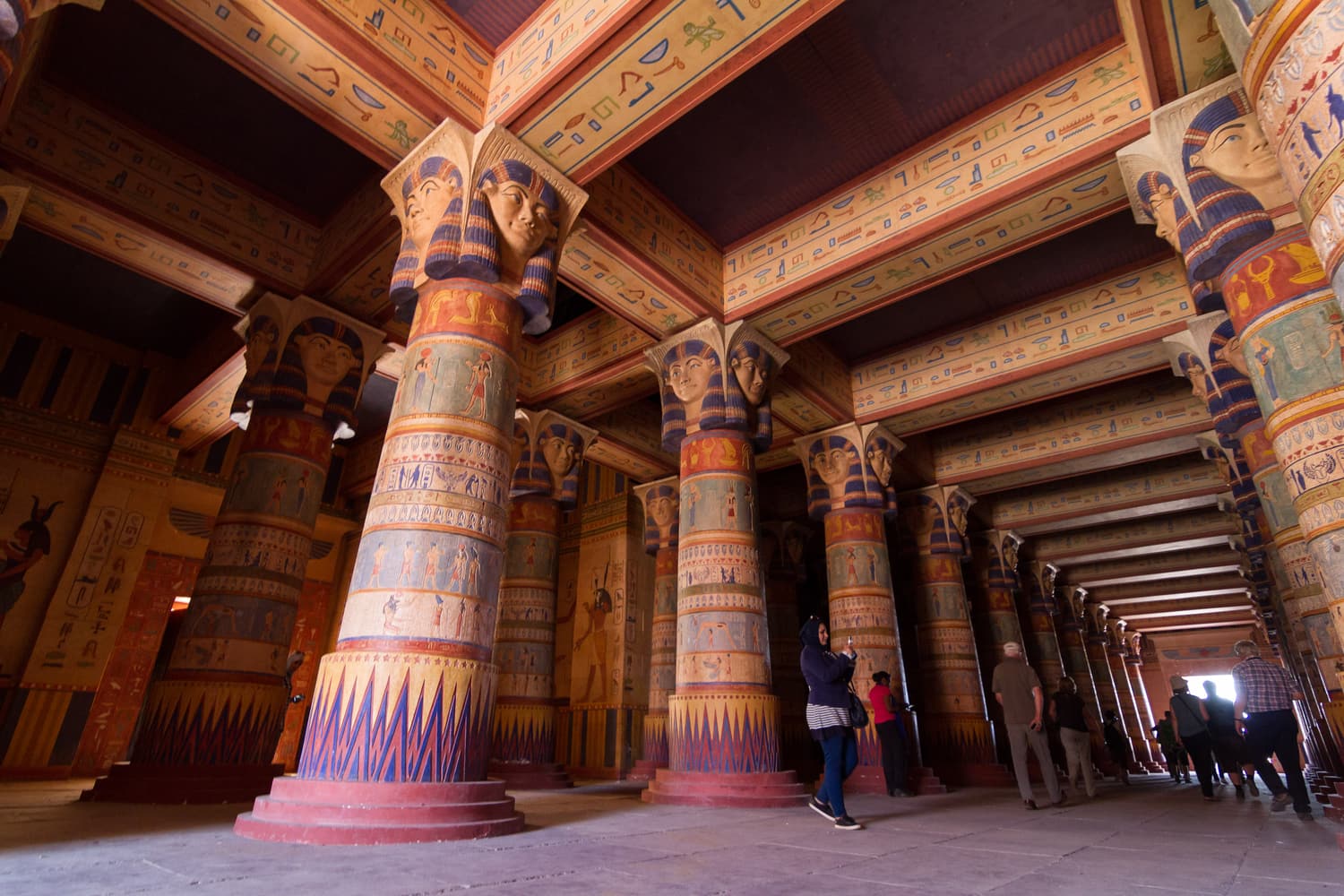
Africa’s largest film studio sits five kilometres outside Ouarzazate on a plain of bare hammada. The guided tour walks you through Egyptian temples, a Tibetan monastery and the aircraft from The Jewel of the Nile — sets left standing from Gladiator, Kundun, Asterix and Game of Thrones.
 Ouarzazate & the oases
 Kasbah Taourirt
Ouarzazate’s Glaoui stronghold
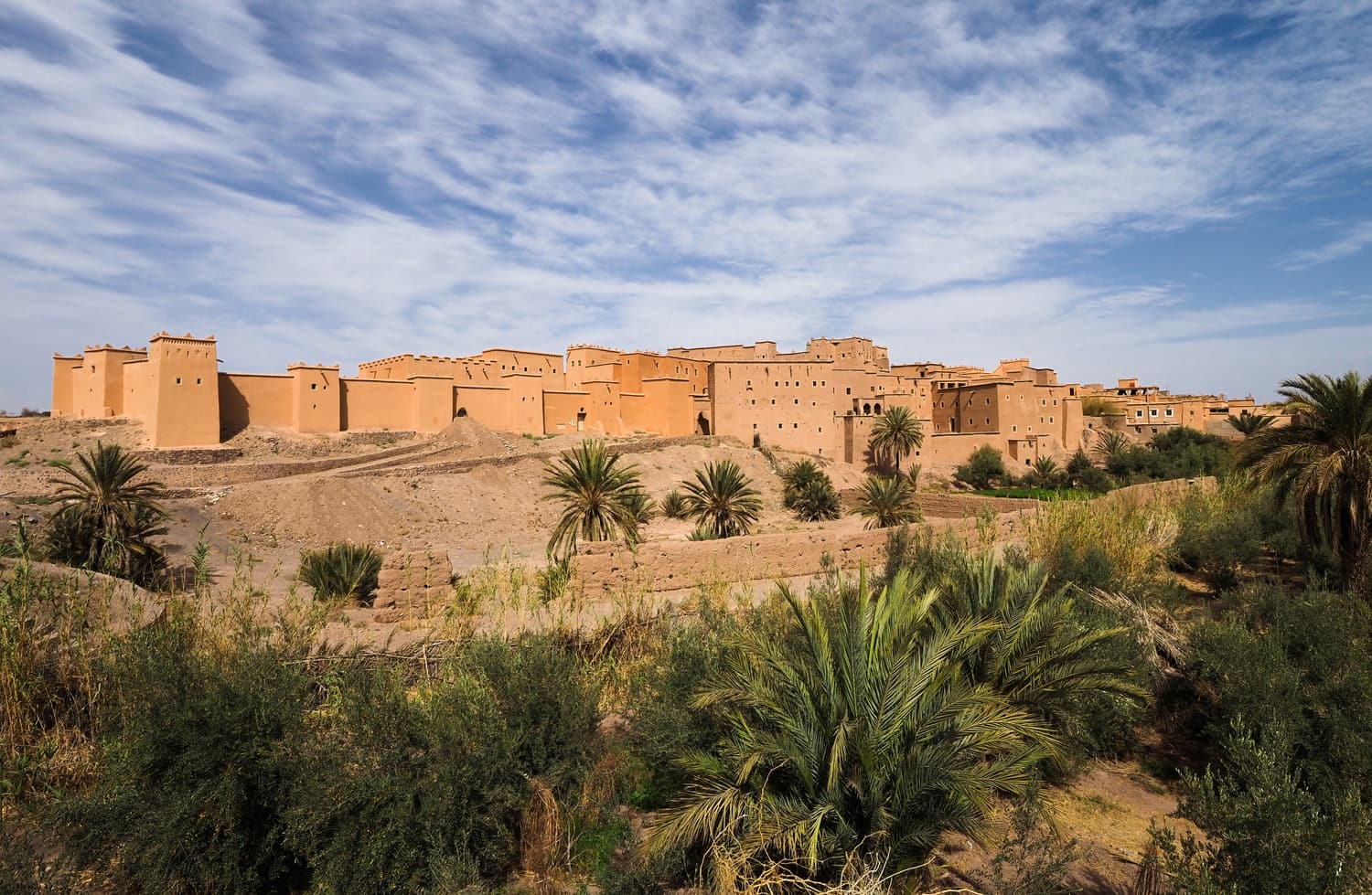
A dense honeycomb of earthen towers and courtyards on the eastern edge of Ouarzazate, once home to several hundred of the Glaoui household. Partly restored by CERKAS and UNESCO, it is the best place in the region to see how a working kasbah was organised inside.
 Ouarzazate & the oases
 Fint Oasis
A green river in black rock
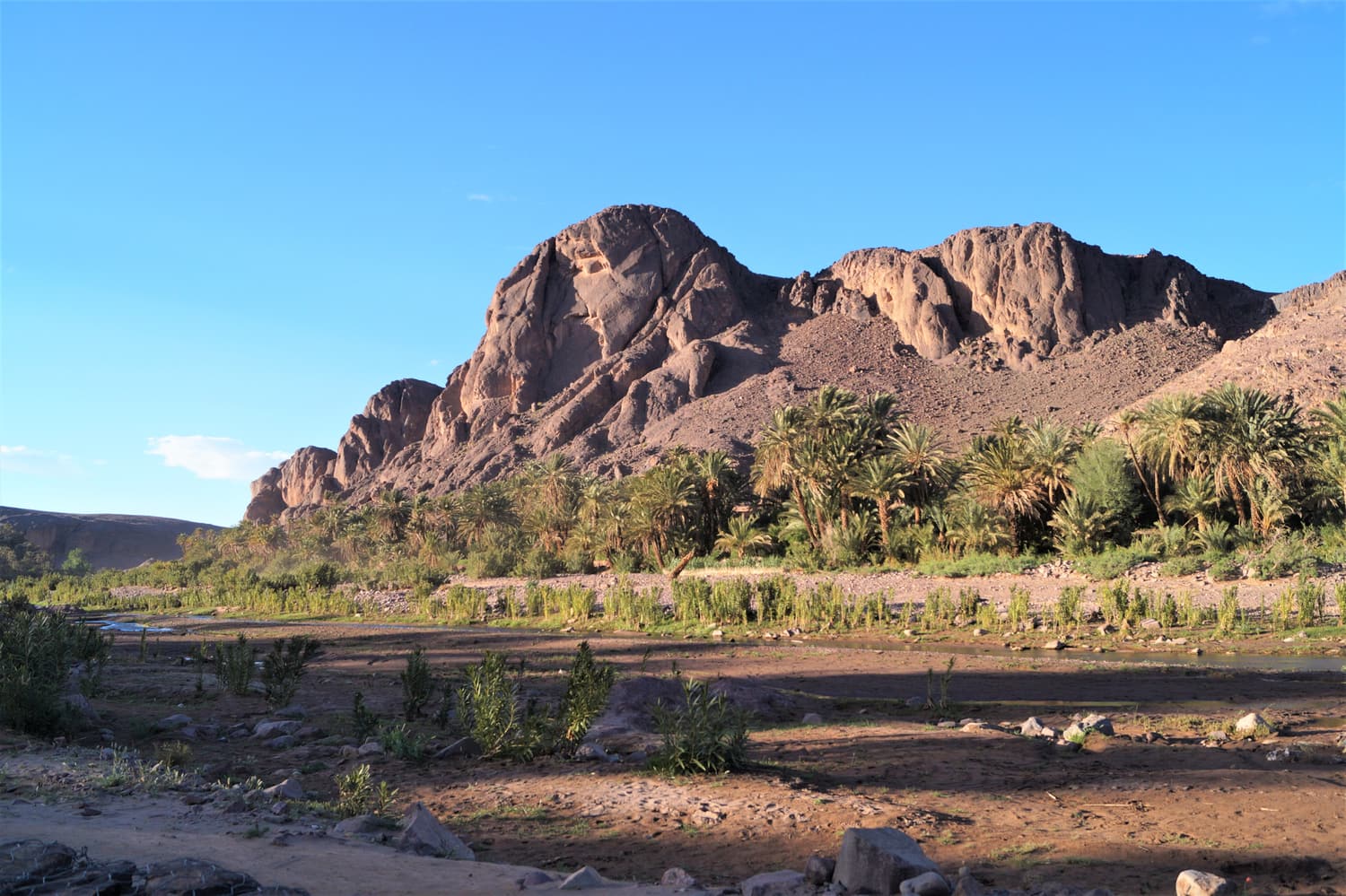
Thirty minutes south of Ouarzazate the hammada suddenly splits open and a ribbon of date palms and vegetable plots appears between walls of black basalt. Four small Berber villages live along it, and almost no coach tour makes the rough track down.
A sensible three-day plan: Day one, cross the Tizi n’Tichka and sleep in Aït Benhaddou. Day two, the ksar at sunrise, then Ouarzazate — Kasbah Taourirt and the film studios. Day three, the Ounila valley back road to Telouet, then over the pass to Marrakech.
Plan your day at the ksar
Make Aït Benhaddou the highlight of your Morocco trip
Morocco’s most photographed earthen village sits four hours from Marrakech over the High Atlas. Compare guided tours, day trips and desert routes and book in a couple of taps.